
Walk down the makeup aisle and you’ll be faced with an overwhelming variety of eyeshadows. Beyond the endless spectrum of colors, each shade comes in a different finish—matte, shimmer, satin, and more. Understanding these finishes is key to building a versatile makeup collection and achieving the perfect eye look for any occasion. But how do you know which ones are right for you, and how can you tell a high-quality finish from a less impressive one?
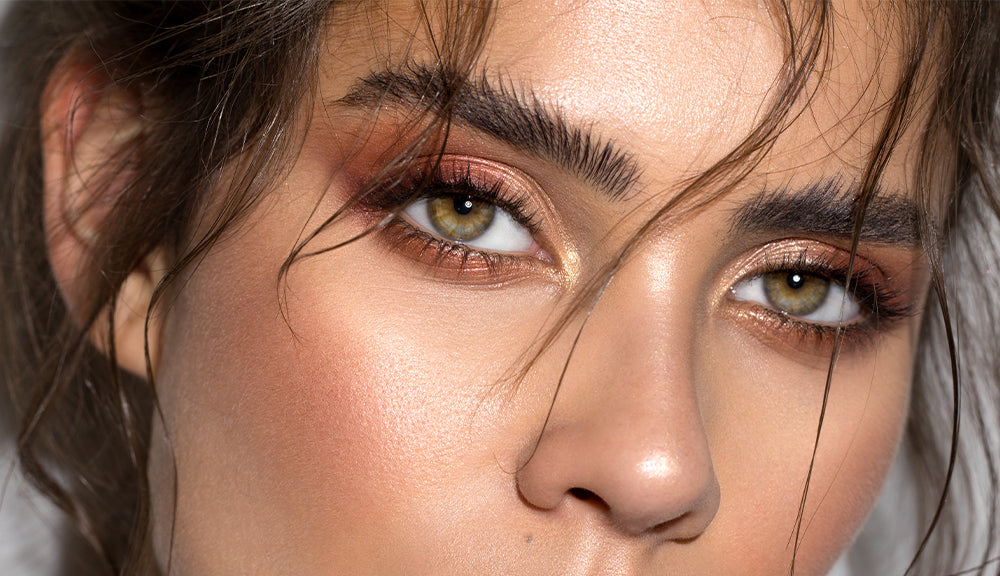
This guide will break down the most popular eyeshadow finishes, explaining their unique properties and teaching you how to evaluate them like a pro.
The Essential Eyeshadow Finishes: A Quick Breakdown
Before we dive into evaluation, let’s define the main players you’ll encounter.
- Matte: The classic workhorse of any eyeshadow palette. Matte shadows have no shine, sparkle, or glitter. They offer a flat, pigment-rich look, perfect for defining the crease, creating a smoky eye, or serving as a base color.
- Satin: A subtle and sophisticated finish. Satin shadows have a soft, low-key sheen, often described as a soft glow. They are not as reflective as shimmers but have a certain luminosity that makes them great for a polished, everyday look.
- Shimmer/Frost: These shadows contain fine, reflective particles that catch the light and create a noticeable sparkle. They are perfect for highlighting the lid or inner corner and making your eyes pop.
- Metallic: An intensified version of shimmer. Metallic shadows are highly reflective and mimic the look of liquid metal on the lid. They are very pigmented and are often used for bold, dramatic looks.
- Glitter: The most dramatic finish. Glitter eyeshadows contain larger, more prominent glitter particles that provide maximum sparkle. They can be pressed (in a palette) or loose and are a great way to add a festive or glamorous touch.
How to Evaluate Eyeshadow Finishes: The Pro’s Checklist
When you’re trying out a new palette or a single shadow, don’t just look at the color. The finish and formula are what truly determine its performance. Here’s what to look for:
1. Pigmentation and Color Payoff
This is the most critical factor. A good eyeshadow should have strong color payoff with just one swipe.
- For Mattes: A high-quality matte should be opaque and buildable. If you have to pack on multiple layers to see the color, it’s not a great formula.
- For Satins and Shimmers: The pigment should be noticeable, but the shine should be the star. The color should be rich, not just a bunch of glitter.
- For Metallics and Glitters: These should deliver intense, one-swipe color and shine. A good metallic will look like a foil, not just a patchy mess.
2. Blendability and Texture
The feel of the shadow is a huge indicator of its quality.
- For Mattes: A good matte should feel smooth and almost buttery, not chalky or dry. It should blend seamlessly into other shades without looking patchy or muddy.
- For Satins, Shimmers, and Metallics: These should feel creamy and soft to the touch. The particles should be finely milled, not chunky or gritty. The shadow should glide on effortlessly and blend easily without losing its reflective quality.
3. Longevity and Fallout
No one wants their eye look to fade or fall apart after a few hours.
- Longevity: A quality eyeshadow will stay put on your lids all day without creasing or fading. While a primer is always recommended, a good formula will perform well even without one.
- Fallout: This refers to the powder that falls onto your cheeks during application.
- Mattes and Satins: Should have minimal to no fallout.
- Shimmers and Metallics: Some fallout is common due to the particles, but a well-formulated shadow will have very little.
- Glitter: This finish is notorious for fallout, so a good formula will have a sticky binder to keep the glitter on the lid.
The Right Finish for You
Choosing the right finish also depends on your desired look and eye shape.
- Matte finishes are universally flattering and are perfect for defining and creating depth, especially for hooded or older eyes, as they don’t emphasize texture.
- Satin finishes are great for a subtle lift and can be worn on the lid for a professional, polished look.
- Shimmers, Metallics, and Glitters are best applied to the center of the lid to make the eye appear larger and more open. They are the stars of a dramatic or evening makeup look.
Conclusion
Evaluating an eyeshadow goes beyond just picking a pretty color. By paying attention to pigmentation, blendability, longevity, and fallout, you can separate the must-haves from the misses in your collection. Understanding the unique properties of matte, satin, shimmer, metallic, and glitter finishes empowers you to make smarter choices and create a wide range of stunning eye looks. Invest in quality finishes, and you’ll see a noticeable difference in the artistry of your makeup.
