
Creating an efficient, inspiring study space in a compact room presents a unique interior design challenge. Limited square footage can easily feel cluttered and overwhelming if not approached with intention. However, a small footprint also offers a distinct advantage: it creates a cozy, highly focused environment where everything you need is within arm’s reach.
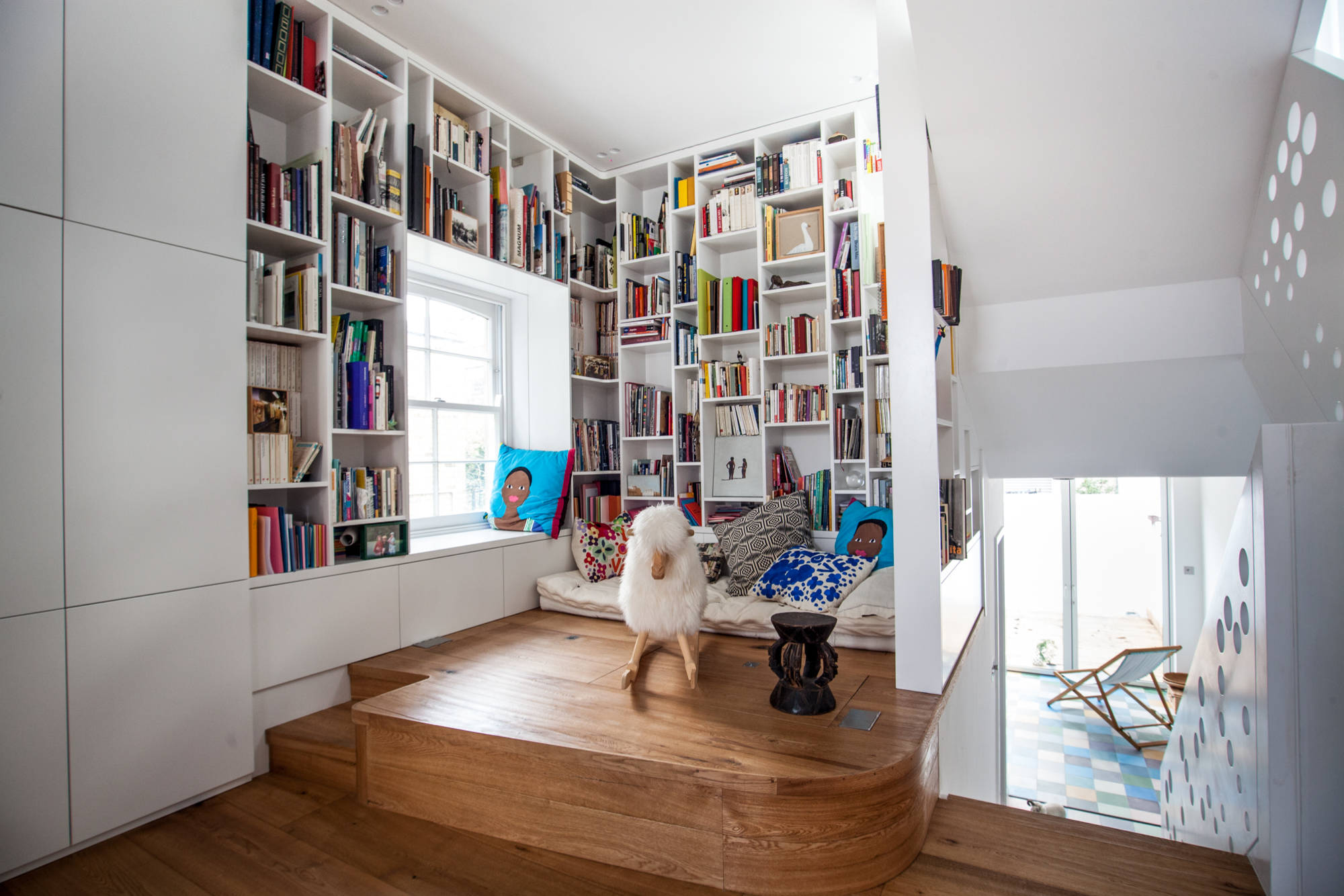
Designing a small study room requires balancing aesthetics with functional ergonomics. By utilizing smart spatial strategies, thoughtful color palettes, and versatile furniture, you can transform a cramped corner into a stylish sanctuary built for productivity.
Establish a Purposeful Layout and Prioritize Ergonomics
The layout of a small study room dictates how comfortably you can work. In tight spaces, placing the desk against a wall or directly beneath a window is often the most effective arrangement to maximize open floor space.
Positioning your desk near a natural light source boosts energy levels and reduces eye strain during long working hours. If possible, avoid placing your back directly to the doorway, as this can subconsciously induce discomfort or distraction.
Select a desk that matches the scale of the room. Oversized executive desks overwhelm small spaces, so opt instead for streamlined designs with slim metal or wooden legs, floating wall-mounted desks, or sleek corner units. Pair your desk with an ergonomic chair that offers proper lumbar support without featuring overly bulky armrests or high-backed profiles that block visual lines across the room.
Harness the Power of Vertical Space
When horizontal floor space is limited, the key to expanding storage capacity lies in utilizing your walls. Vertical organization keeps your work surface clear of clutter while drawing the eye upward, creating the illusion of higher ceilings.
Consider installing floating wall shelves above your desk to store books, reference materials, and decorative elements. Vertical pegboards or grid wall panels offer customizable storage for office supplies, headphones, and calendars using hooks and small hanging baskets.
Tall, narrow bookcase units are another excellent option, as they provide multi-tiered storage while taking up minimal floor area. Utilizing vertical space ensures that every essential item remains accessible without crowding your primary workspace.
Strategic Color Palettes and Lighting Solutions
Color and lighting play a pivotal role in determining how large and open a small room feels. Soft, light-reflecting color schemes visually expand small interiors and promote a serene, focused atmosphere.
Opt for neutral wall tones such as crisp white, warm cream, soft sage, or light gray. If you prefer bolder colors, introduce them thoughtfully through an accent wall behind the desk or through decorative accessories like artwork, desk pads, and rug patterns.
Lighting is equally vital for both space perception and functionality:
- Natural Light: Keep window treatments minimal using sheer curtains, light-filtering blinds, or Roman shades to maximize incoming sunlight.
- Ambient Lighting: Use flush-mount ceiling fixtures or minimalist track lighting rather than hanging chandeliers that visually consume air space.
- Task Lighting: Choose an adjustable LED desk lamp with variable brightness levels, or install under-shelf strip lighting to illuminate your desk surface without using up table space.
Choose Multi-Functional and Minimalist Furniture
Every piece of furniture in a small study room must justify its presence. Investing in multi-functional or adaptable furniture keeps the environment flexible and tidy.
Look for desks featuring built-in cable management channels or hidden storage drawers. Ottomans or small benches equipped with internal storage compartments provide extra seating for visitors while hiding away bulky items like printer paper, extra cords, or seasonal supplies.
Mobile rolling carts with multiple tiers serve as portable storage stations that can be tucked into a closet or under the desk when not in use. Choosing furniture with raised legs allows light to pass underneath, making the entire room feel airier and more open.
Personalize the Space Without Adding Clutter
A functional study room should reflect your personal taste and inspire creativity, but over-decorating quickly leads to visual overload in a small area. The goal is to incorporate meaningful decor deliberately.
Select a few impactful decorative elements rather than numerous small trinkets. Hang one or two pieces of framed wall art, an inspiring motivational print, or a curated mood board. Integrate natural elements, such as low-maintenance houseplants like pothos, succulents, or snake plants, which add color, improve indoor air quality, and bring a refreshing sense of life into the workspace.
Keep desktop decor minimal: a sleek pen holder, a stylish coaster, and a single personal framed photograph are enough to make the desk feel personal while leaving plenty of room for laptops, notebooks, and documents.
Conclusion
Decorating a small study room is an exercise in intentional design, where every layout choice, color selection, and furniture piece serves a specific purpose. By prioritizing floor space, utilizing vertical wall storage, maximizing natural light, and keeping clutter at bay, you can transform even the smallest room into a highly functional workspace. A well-designed small study does not restrict your output; instead, it provides a quiet, organized, and beautifully tailored environment that fosters focus, creativity, and daily success.
