Buying Online Vs Shopping In Traditional Stores
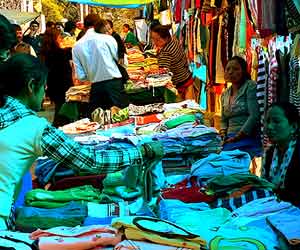 Before you leave residence for the buying, choose used shops which are ideal for your required procuring stuff. Search on the web to seek out which used clothes shops are excellent for your buying. The kind of garments which you wish to buy, search from which stores you may get them best and simply. This will help you to save time and physical efforts. So, try which used retailer fits on your requirements and transfer ahead to that directly.
Ø Interview your potential journey leaders rigorously. Ask plenty of open ended and probing questions concerning the tools used, the experience degree of the guides, the lodging the food, and what is and is not included. Be certain to barter all the pieces upfront, since you should have little leverage as soon as the journey journey has begun.
If you get pleasure from eating greater than cooking, then you can join the culinary tour. Hue’s conventional delicacies with its original and distinctive style is known throughout Vietnam. This tour will take you to several restaurants to enjoy Hue’s signature dishes from starters, foremost courses and desserts. A cyclo will decide you up at your hotel and take you to the respective eating places for this 3-hour tour.
I like to travel as a result of I see many interesting things, places and people. It widens my horizon. Seeing stunning landscapes like cliffs, white sandy beaches, mountains, valleys, rivers, forest, waterfalls, and many others are superior. Then I can share the photographs and videos I made to my pals and relatives as well as my co hubbers. Besides that, the sensation that I have seeing these superior locations is overwhelming.
This market has a HUGE range of selection, there is even a map to indicate you what’s being sold in every section! Although, typically it’s a hit and miss. In the previous, i would all the time find a ton of clothes objects, this time round, I was more drawn to the luggage and didn’t see anything much to my liking. Still, it is a place not to miss. Because of this market, ought to always go to Bangkok on a WEEKEND.